In modern industrial production, equipment operation and various technical systems, fault diagnosis is the key link to ensure the stable operation of the system. Whether it is mechanical equipment, electronic systems or software programs, the occurrence of faults may bring serious economic losses or even security risks. Therefore, how to carry out fault diagnosis scientifically and efficiently has become an important skill that technicians must master.
First, a clear diagnosis target
The first step of fault diagnosis is to define the target and scope of diagnosis. It is necessary to know the running state of the equipment or system, the time, frequency and specific performance of the fault. For example, whether there are problems such as abnormal sound, vibration, abnormal temperature and performance degradation. After the goal is clear, information can be collected more pertinently to avoid blind investigation.
Second, collect fault information
Information collection is the basic link of fault diagnosis. Usually includes the following aspects:
1. Historical data: refer to equipment maintenance records, usage logs, past failure cases, etc.
2. On-site observation: first-hand information is obtained through visual, auditory and tactile means;
3. Sensor data: using modern sensing technology to obtain parameters such as temperature, pressure and rotation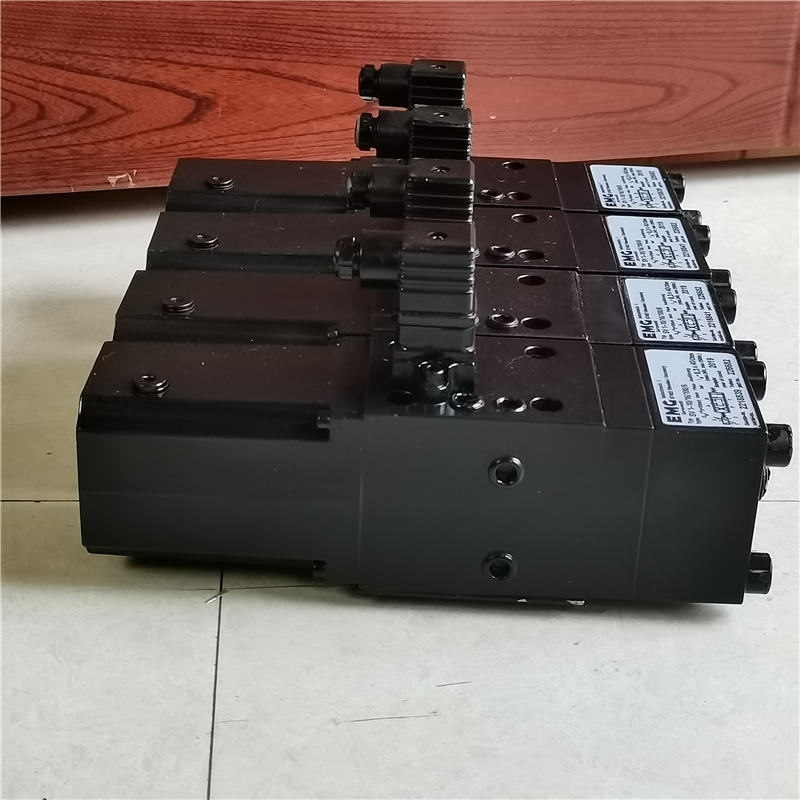 speed;
4. User feedback: Understand the operator’s description and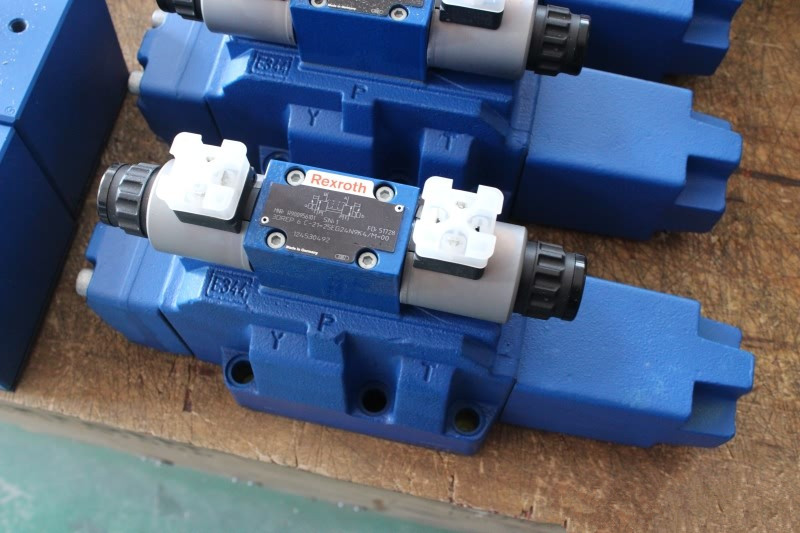 preliminary judgment of the problem.
This information is helpful to establish a preliminary fault model and provide a basis for subsequent analysis.
Third, analysis and judgment
After the information collection is completed, enter the stage of analysis and judgment. Common analysis methods include:
-Comparative analysis method: compare the current data with the normal state;
-Causality analysis: based on the failure phenomenon, the possible failure causes are deduced reversely;
-Logical reasoning method: according to the system structure and principle, gradually check the suspicious parts;
-Fault Tree Analysis (FTA): Construct a fault tree and systematically analyze various possible causes and their relationships.
Through analysis, technicians can narrow down the fault range and preliminarily judge the fault types, such as mechanical wear, electrical short circuit and abnormal control system.
Fourth, the implementation of diagnosis and verification
After determining the possible fault points, practical diagnosis operations are needed, such as disassembly and inspection, replacement of parts, recalibration, software debugging, etc. At the same time, the diagnosed system needs to be tested and verified to confirm that the fault has been eliminated and to observe whether the system is back to normal operation.
V. Summary and feedback
After troubleshooting, we should sum up experience and lessons in time, update equipment maintenance files, and train relevant personnel when necessary. At the same time, the fault handling process will be fed back to the design or production department to provide reference for subsequent improvement.
tag
Fault diagnosis is a systematic project, which requires solid professional knowledge, scientific methods and rich practical experience. With the development of intelligent and digital technology, the future fault diagnosis will also rely more on advanced technologies such as data analysis and artificial intelligence. However, no matter how advanced the technology is, the scientific and standardized operation process is always the core guarantee for efficient diagnosis.