Measures for the treatment of shrinkage porosity defects in mechanical valve castings
I. Introduction
Mechanical valves are an indispensable part of mechanical equipment and are widely used in chemical engineering, petroleum, electricity, mechanical manufacturing, aerospace, and other fields. During the production process of mechanical valve castings, due to the generation of internal pores and cavities, known as ‘shrinkage’, in the cooling and solidification process of alloy materials, it will seriously affect the mechanical properties, corrosion resistance, and service life of mechanical valve castings. Therefore, effective treatment measures for the shrinkage porosity defects in mechanical valve castings are the key to improving the quality of castings.
II. Causes of shrinkage porosity defects in mechanical valve castings
Casting process factors: The rapid cooling speed, improper cooling method, and short cooling time of castings will lead to the generation of internal pores and cavities, thereby causing shrinkage porosity defects.
Material factors: The chemical composition and physical properties of alloy materials will affect the solidification process of castings, thereby influencing the generation of internal pores and cavities.
Design factors: The wall thickness, wall thickness distribution, and structural design of castings will affect the solidification process of castings, thereby influencing the generation of internal pores and cavities.
III. Measures for the treatment of shrinkage porosity defects in mechanical valve castings
Improving casting process: By changing the cooling method, extending the cooling time, and increasing the cooling speed, the generation of internal pores and cavities can be reduced.
Optimizing alloy materials: By adjusting the chemical composition and physical properties of alloy materials, the generation of internal pores and cavities can be reduced.
Improving design: By adjusting the wall thickness, wall thickness distribution, and structural design of castings, the generation of internal pores and cavities can be reduced.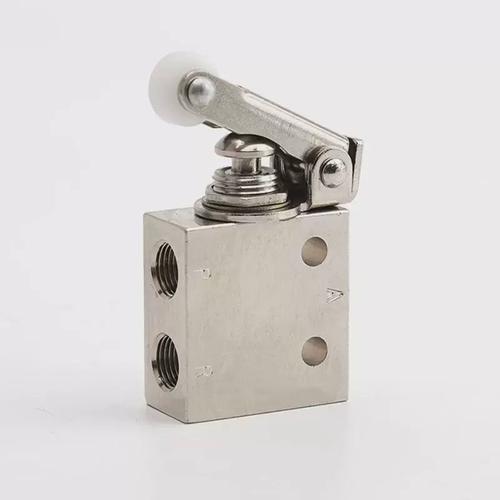
Adopting heat treatment technology: By adopting appropriate heat treatment technology, the generation of internal pores and cavities in castings can be reduced.
Adopting casting feeding technology: By adopting casting feeding technology, the generation of internal pores and cavities in castings can be reduced.
IV. Conclusion
The shrinkage porosity defects in mechanical valve castings are common problems in the casting process. By improving the casting process, optimizing alloy materials, improving design, adopting heat treatment technology, and using casting feeding technology, the generation of internal pores and cavities in castings can be effectively reduced, thereby improving the quality of castings and enhancing the performance and service life of mechanical valves.
V. Conclusion
The treatment of shrinkage porosity defects in mechanical valve castings is a systematic project that requires consideration and improvement from multiple aspects to enhance the quality and performance of castings. In the future, with the development of science and technology, we have reason to believe that more innovative technologies and methods will emerge for the treatment of shrinkage porosity defects in mechanical valve castings.