Discussion on the Applicability of Energy-saving Technology of Mechanical Valves under Different Working Conditions
Introduction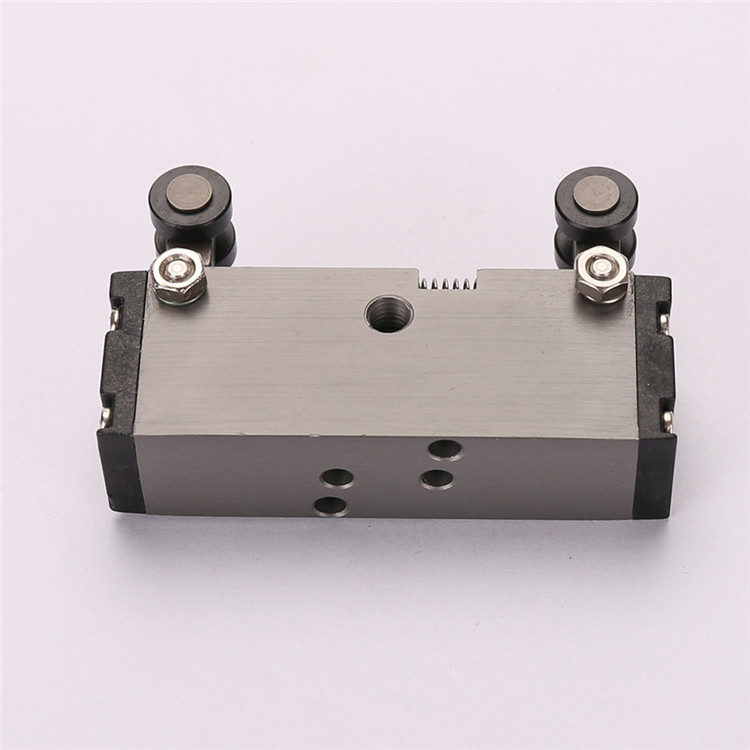
In today’s society, the issue of energy is increasingly attracting people’s attention, among which the application of energy-saving technology is an important way to solve the energy problem. In terms of energy consumption, the energy consumption problem in the industrial field is particularly prominent. The operation efficiency of machinery and equipment directly affects energy consumption in industrial production. As a widely used fluid control equipment in industrial production, the application of energy-saving technology of mechanical valves is of great significance. This article will explore the applicability of energy-saving technology of mechanical valves under different working conditions, in order to provide a reference for energy-saving work in industrial production.
Overview of the Energy-saving Technology of Mechanical Valves
The energy-saving technology of mechanical valves mainly achieves the purpose of reducing energy consumption through optimizing the structural design, control strategies, and operating environment of valves. For example, by optimizing the fluid flow path of the valve, the resistance loss of the fluid inside the valve is reduced; by adopting advanced control strategies, the optimal working state of the valve is realized, thereby reducing energy consumption. In addition, the energy-saving technology of mechanical valves also includes the optimization of the operating environment of the valves, such as using high-efficiency and energy-saving valve materials, and reasonably selecting the installation location and operating conditions of the valves.
Three, The applicability of mechanical valve energy-saving technology under different working conditions
(One) High temperature conditions
Under high temperature conditions, the energy-saving technology for mechanical valves needs to consider the impact of high temperature on the performance of valve materials, and select high-temperature-resistant valve materials. In addition, the viscosity of the fluid will increase under high temperature conditions, resulting in an increase in the resistance loss of the valve, so it is necessary to optimize the fluid flow path of the valve to reduce resistance loss. Under high temperature conditions, the energy-saving technology for mechanical valves also needs to consider the thermal expansion effect of the fluid, rationally design the size and installation position of the valve to ensure the normal operation of the valve.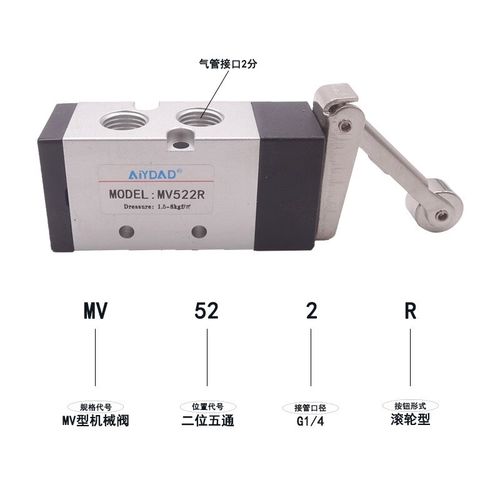
(Two) Low temperature conditions
Under low temperature conditions, the energy-saving technology for mechanical valves needs to consider the impact of low temperature on the performance of valve materials, and select low-temperature-resistant valve materials. In addition, the viscosity of the fluid will decrease under low temperature conditions, resulting in a decrease in the resistance loss of the valve, so it is necessary to optimize the fluid flow path of the valve to reduce resistance loss. Under low temperature conditions, the energy-saving technology for mechanical valves also needs to consider the thermal contraction effect of the fluid, rationally design the size and installation position of the valve to ensure the normal operation of the valve.
(Three) High flow rate conditions
Under high flow rate conditions, the energy-saving technology for mechanical valves needs to consider the kinetic energy loss of the fluid, select an efficient valve structure to reduce kinetic energy loss. In addition, the resistance loss of the fluid will increase under high flow rate conditions, so it is necessary to optimize the fluid flow path of the valve to reduce resistance loss. Under high flow rate conditions, the energy-saving technology for mechanical valves also needs to consider the turbulent effect of the fluid, rationally design the size and installation position of the valve to ensure the normal operation of the valve.
(Four) Low flow rate conditions
Under low flow rate conditions, the energy-saving technology for mechanical valves needs to consider the kinetic energy loss of the fluid, select an efficient valve structure to reduce kinetic energy loss. In addition, the resistance loss of the fluid will decrease under low flow rate conditions, so it is necessary to optimize the fluid flow path of the valve to reduce resistance loss. Under low flow rate conditions, the energy-saving technology for mechanical valves also needs to consider the viscosity effect of the fluid, rationally design the size and installation position of the valve to ensure the normal operation of the valve.
Four, Conclusion
The applicability of energy-saving technology for mechanical valves under different working conditions needs to be comprehensively considered according to the characteristics of specific working conditions. By optimizing the structural design of valves, control strategies, and usage environment, energy consumption can be effectively reduced, and the efficiency of industrial production can be improved. In practical applications, it is necessary to select appropriate energy-saving technology solutions for mechanical valves according to the characteristics of specific working conditions to achieve the best energy-saving effect.
This paper discusses the applicability of energy-saving technology for mechanical valves under different working conditions, hoping to provide some reference for energy-saving work in industrial production.