The power consumption of servo valve mainly comes from the current loss of electromagnetic coil, the flow loss of hydraulic oil and the mechanical friction loss. In practical application, electromagnetic coil is one of the main sources of power consumption. Traditional servo valves are usually driven by constant current, which will lead to unnecessary energy waste in low load or standby state. Therefore, adopting advanced drive control strategy has become one of the key means to optimize power consumption. For example, by introducing PWM (pulse width modulation) control technology, the coil current can be dynamically adjusted, and the power consumption can be effectively reduced on the premise of ensuring control accuracy.
In addition, reasonable design of hydraulic system structure is also an important way to optimize the power consumption of servo valve. By optimizing the valve port structure, flow passage design and throttling mode, the pressure loss in the process of hydraulic oil flow can be reduced, thus reducing the working load of servo valve. At the same time, the use of high-performance and low-friction sealing materials and guiding structures can effectively reduce the energy loss caused by mechanical friction.
The development of intelligent control technology also provides a new idea for the optimization of servo valve power consumption. Using sensors to monitor the system state in real time, combined with embedded controller or PLC system, the intelligent adjustment of servo valve working state is realized. For example, the driving power is automatically reduced when the load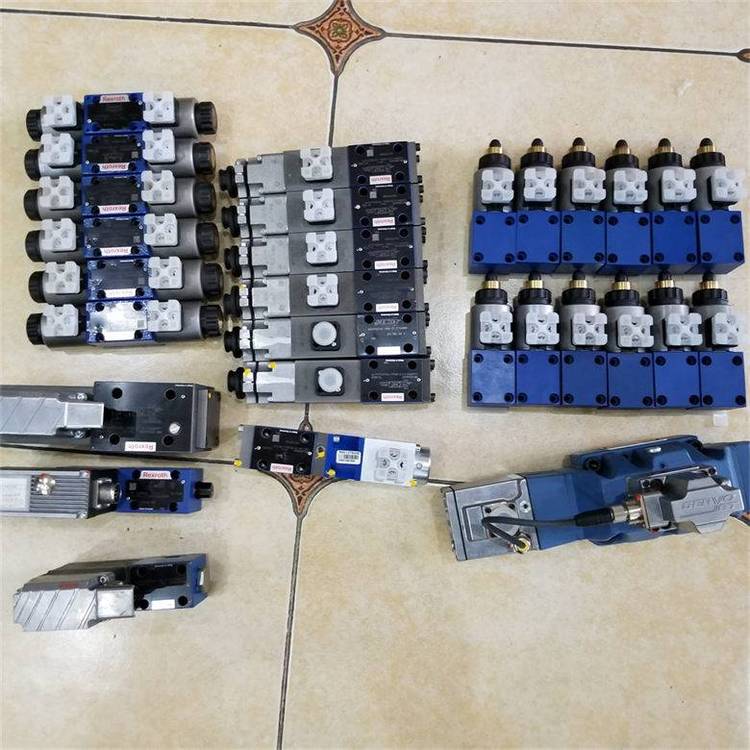 is low, or the system enters a low power consumption mode when it is in standby, thus realizing energy-saving operation.
In terms of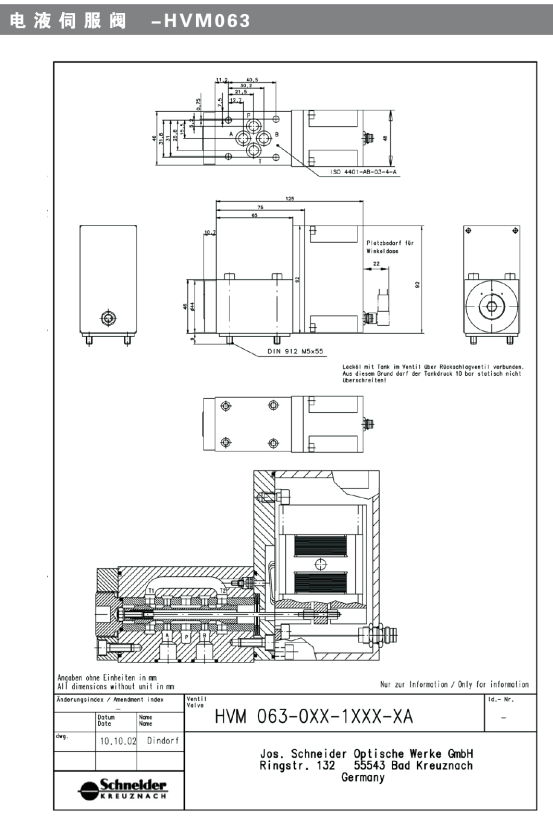 materials and manufacturing technology, the use of electromagnetic materials with high permeability and low loss can significantly improve the efficiency of the coil and reduce heat generation and energy consumption. At the same time, improving the matching accuracy between the valve core and the valve body through precision machining technology is also helpful to improve the control accuracy and reduce energy loss.
To sum up, the optimization of servo valve power consumption is a systematic project, which needs to start from many aspects such as driving control strategy, structural design, material selection and intelligent control. With the continuous improvement of energy-saving requirements, servo valves will continue to develop in the direction of high efficiency, intelligence and low power consumption in the future, which will provide strong support for the green operation of industrial systems.