Prevention and solutions for porosity in mechanical valve castings
In the field of mechanical manufacturing, castings are an indispensable part. They play a vital role in improving product performance, reducing costs, and enhancing production efficiency. However, various defects are inevitably encountered during the casting production process, among which porosity defects are a common issue. The occurrence of porosity defects can seriously affect the mechanical properties and service performance of castings, reduce the service life of castings, and even lead to mechanical accidents. Therefore, preventing and solving porosity defects is crucial for ensuring product quality. This article will discuss in detail the preventive measures and solutions for porosity in mechanical valve castings.
The causes of porosity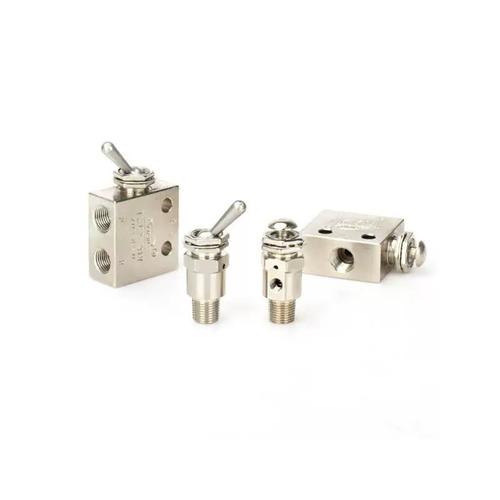
The chemical composition of the casting is not uniform, leading to the formation of pores during the cooling process.
Unreasonable mold design, poor cooling effect, and uneven internal temperature distribution of the casting are prone to the formation of pores.
Improper casting process parameters, such as pouring temperature, pouring speed, and cooling speed, will affect the occurrence of porosity.
Internal inclusions exist in the casting, such as oxides and silicates, which are prone to form pores during the cooling process.
The gases in the casting material are not completely discharged, such as residual flux and deoxidizer in the casting.
Preventive measures for porosity
Strictly control the chemical composition of castings to ensure uniformity and avoid the occurrence of porosity.
Improve the level of mold design and optimize the cooling system to make the internal temperature distribution of the casting more uniform, and reduce the occurrence of porosity.
Rationally adjust casting process parameters such as pouring temperature, pouring speed, and cooling speed to reduce the occurrence of porosity.
Strictly control the internal inclusions of castings, such as oxides and silicates, to ensure that their content is within the allowable range.
Avoid residual flux, deoxidizer, and other gas sources in the casting process, and ensure that the gases in the casting material are completely discharged.
Solutions to porosity
After the casting of the mechanical valve appears porosity defects, the first step is to evaluate the defects, and select appropriate repair methods based on the size, location, and impact on the performance of the mechanical valve.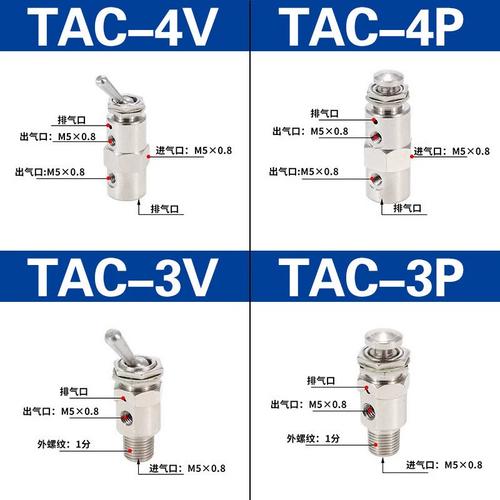
Surface treatment method: By methods such as sanding and polishing, the surface defects of the pores are removed to improve the surface smoothness and improve the surface properties. However, this method is only suitable for minor porosity defects and cannot solve internal porosity problems.
Welding method: For cases with shallow porosity and a small number of pores, the welding method can be used for repair. By filling the pores with welding material, the strength and toughness of the mechanical valve can be improved.
Plugging method: For cases with deep porosity and a large number of pores, the plugging method can be used for repair. By filling the pores with filling material, the impact of pores on the performance of the mechanical valve can be reduced.
Recasting of mechanical valves: For mechanical valves with severe porosity defects, recasting can be considered. By improving the casting process, ensure that the internal porosity of the casting is completely eliminated, and improve the service life and performance of the mechanical valve.
Summary
The porosity defects in the casting of mechanical valves not only affect their mechanical and performance properties, but may also cause mechanical accidents. Therefore, it is crucial to prevent and solve porosity defects. Measures such as strictly controlling the chemical composition of castings, optimizing mold design, adjusting casting process parameters, controlling the content of internal inclusions, and avoiding residual gas sources can effectively prevent the occurrence of porosity defects. Once porosity defects occur, appropriate repair methods should be selected based on the size, location, and impact on the performance of the mechanical valve to improve the service life and performance of the mechanical valve.