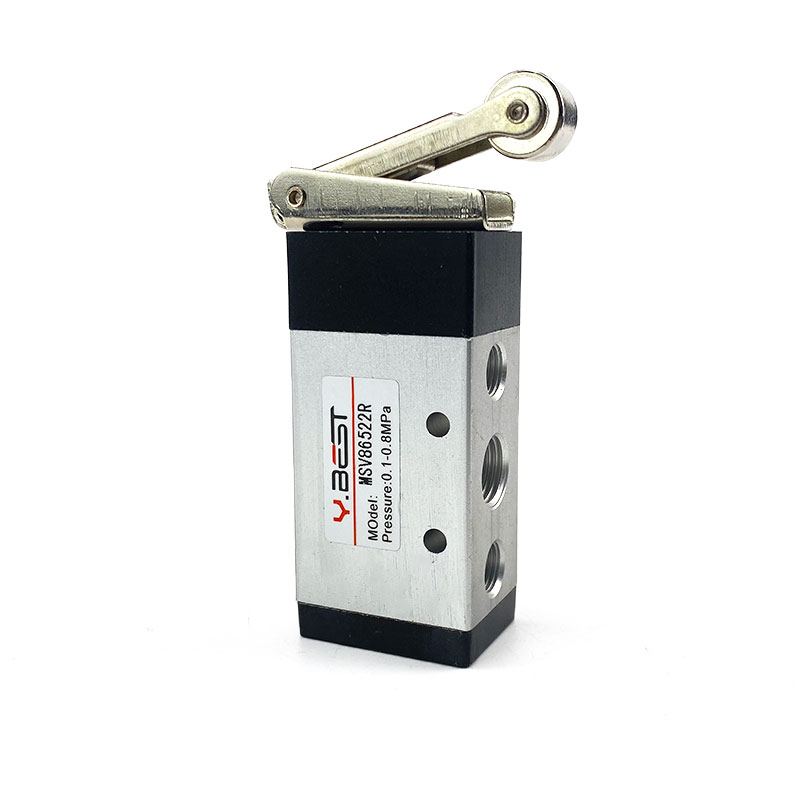
Improvement of the protective level of the electric actuator housing for mechanical valves: enhancing equipment reliability and safety
In the field of industrial automation, electric actuators, as key components, are of undeniable importance. They control the opening and closing of valves by receiving electrical signals from the controller, thereby controlling the fluid. In the design and manufacturing process of the actuator, the protective level of the housing is a crucial link, directly related to the reliability and safety of the actuator.
In recent years, with the continuous advancement of industrial automation technology, the requirements for electric actuators have also been increasingly stringent. Among them, the improvement of the protective level has become the focus of the industry. The improvement of the protective level means that the working performance of the actuator in harsh environments will be significantly improved, not only enhancing the reliability and safety of the equipment but also extending the service life of the actuator.
The improvement of the protective level is first reflected in the increase of the IP level. The IP level is a comprehensive protective level defined by the International Electrotechnical Commission (IEC), consisting of two numbers, with the higher the number, the higher the protective level. Currently, the protective level of the housing of many electric actuators has been improved from the original IP65 to IP68, even higher. This means that the actuator can withstand higher water pressure and longer immersion time, thus better adapting to outdoor or humid environments.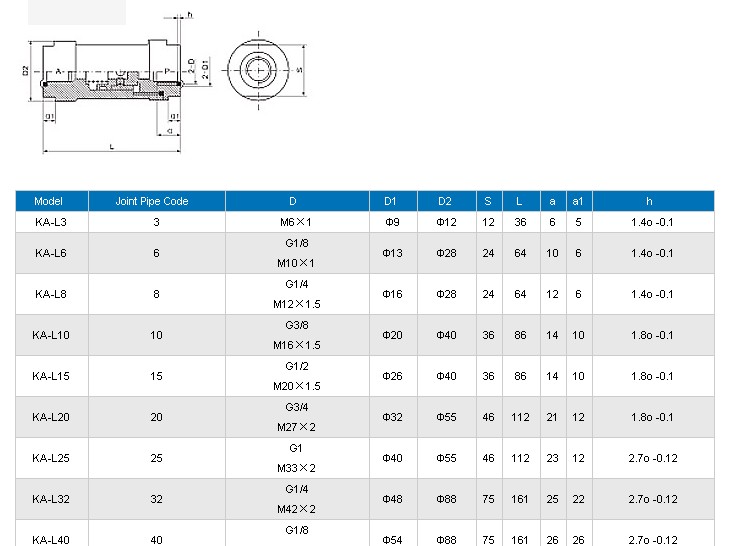
In addition to the improvement of the IP level, the selection of the housing material has also become more important. While improving the protective level, the selection of materials must not only consider strength and corrosion resistance but also consider the thermal conductivity and heat dissipation properties of the materials. Therefore, many manufacturers have started to use aluminum alloy or stainless steel materials to ensure the stable operation of the actuator in harsh environments.
In addition, the sealing design of the actuator has also been improved. Traditional actuators use rubber or silicone sealing rings, which are prone to failure in high-temperature or high-pressure environments. Now, many actuators use more advanced sealing materials and technologies, such as fluororubber or PTFE materials, as well as optimized design of the sealing rings, thereby greatly improving the sealing performance of the actuator.
In addition to improving the protective level, manufacturers have also optimized the internal structure design of the actuator. For example, heat sinks have been added to enhance the heat dissipation effect, and the circuit design has been optimized to improve the anti-interference ability. These improvements not only enhance the performance of the actuator but also extend its service life.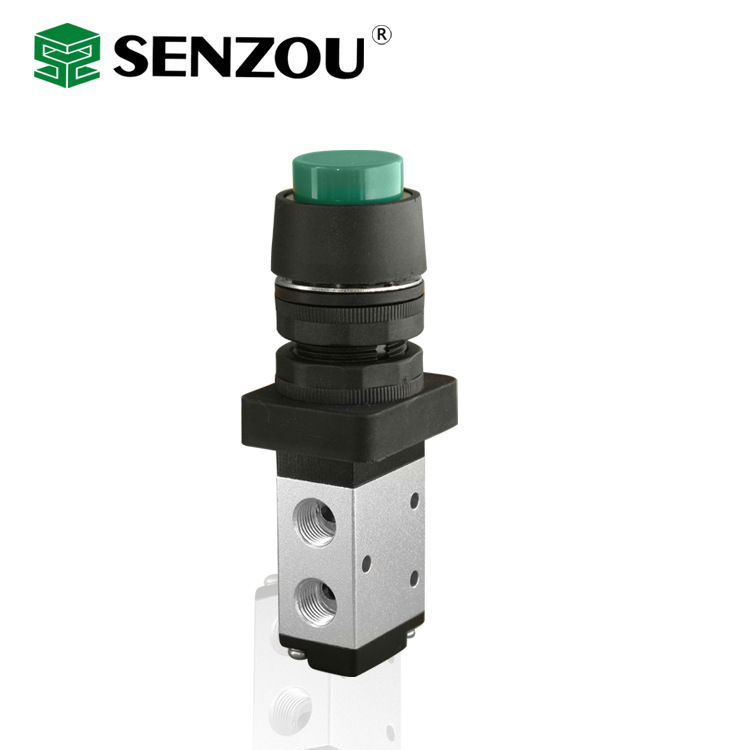
In summary, the improvement of the protective level of the electric actuator housing is an important means to enhance the reliability and safety of the equipment. With the continuous advancement of technology, we will see more high-performance and high-reliability electric actuators in the future, bringing greater convenience and benefits to the field of industrial automation.