Condition Monitoring (CM) is a key technology in modern industrial equipment maintenance management, which is widely used in electric power, petrochemical, metallurgy, transportation and other fields. Through real-time or regular monitoring of equipment operation status, potential faults can be found in advance, sudden shutdown can be avoided, and equipment reliability and production efficiency can be improved. Therefore, it is very important to arrange the condition monitoring system scientifically and reasonably.
First of all, when arranging the condition monitoring system, the monitoring target must be clear. Different equipment types and operating environments determine the key monitoring parameters, such as vibration, temperature, noise, lubricating oil quality, current and voltage, etc. For example, for rotating equipment such as motors, pumps, fans, etc., vibration monitoring is the key; For high-voltage electrical equipment, more attention is paid to temperature and current changes. Therefore, appropriate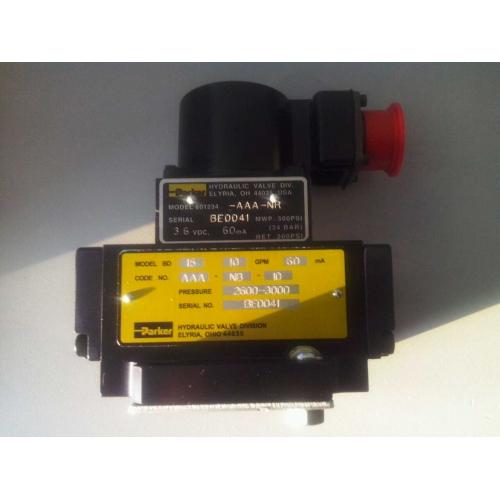 monitoring means should be selected according to the equipment characteristics before layout.
Secondly, the selection and distribution of sensors is the core link of condition monitoring layout. The sensor should be installed in a position that can accurately reflect the health status of the equipment to avoid blind spots. For example, when monitoring the vibration of a large steam turbine, multiple vibration sensors should be arranged in key parts such as bearing housing and rotating shaft to ensure the comprehensiveness of the data. In addition, the number and density of sensors need to be adjusted according to the importance of the equipment, and the key equipment should realize multi-parameter and multi-point high-density monitoring.
Third, the layout of data acquisition and transmission system should be scientific and reasonable. Modern condition monitoring system usually adopts wired or wireless mode for data transmission. In the layout, the site environment, such as electromagnetic interference, temperature and humidity, explosion-proof grade and other factors should be considered, and the appropriate communication protocol and transmission mode should be selected. At the same time, the data acquisition system should have high precision, high stability and good real-time performance to ensure the accuracy of monitoring data.
In addition, the layout of condition monitoring system needs to be combined with data analysis and early warning platform. The collected data need to be analyzed and processed by professional software, and technical means such as trend analysis, spectrum analysis and artificial intelligence algorithm are used to identify equipment anomalies and give early warning. Therefore, enterprises should set up data analysis platforms simultaneously when arranging and train relevant personnel to ensure that data can be correctly interpreted and applied.
Finally, the continuous optimization of condition monitoring system should also be included in the layout plan. With the change of equipment operation and process flow, the original monitoring scheme may need to be adjusted. Enterprises should regularly evaluate the effectiveness of the monitoring system, continuously optimize the sensor placement and monitoring parameters in combination with historical fault data, and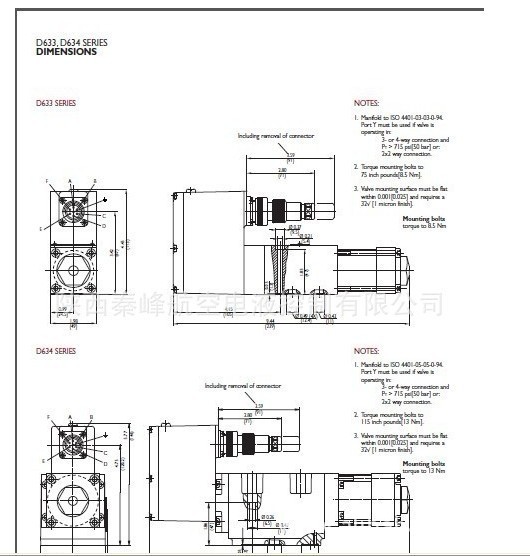 improve the forecasting ability and
 maintenance efficiency of the whole system.
To sum up, the layout of condition monitoring is a systematic project, which needs comprehensive planning and implementation from monitoring objectives, sensor layout, data acquisition, analysis platform and subsequent optimization. Only by scientifically and reasonably arranging the condition monitoring system can we truly realize the intelligence and efficiency of equipment health management and provide a strong guarantee for the safe production and sustainable development of enterprises.