Key points of the assembly process for mechanical valve pressure reducing valve membranes
In modern industrial production, the pressure reducing valve is an indispensable component, which is used to control and regulate the pressure of fluids to ensure the stability of the system pressure. The pressure reducing valve membrane is the core component of the pressure reducing valve, and its quality directly affects the working performance and life of the pressure reducing valve. This article will discuss in detail the key points of the assembly process of the pressure reducing valve membrane.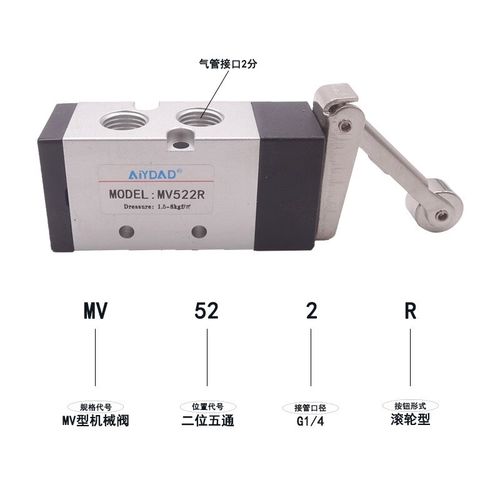
The assembly process of the pressure reducing valve membrane mainly includes the cleaning, inspection, assembly, and debugging of the membrane. The following will introduce each step one by one.
Membrane cleaning: Before assembly, the membrane needs to be strictly cleaned to ensure that the surface of the membrane is free of dust and dirt, and to prevent impurities from entering the internal parts of the pressure reducing valve, causing wear to the valve body and membrane. Cleaning methods can include solvent cleaning, ultrasonic cleaning, or mechanical cleaning, etc. During cleaning, it should be ensured that the membrane is completely immersed in the cleaning fluid, and the cleaning time should be determined according to the material of the membrane and the characteristics of the cleaning fluid to avoid damage to the membrane due to excessive cleaning time. After cleaning, the membrane should be dried with compressed air or dry air to ensure that the surface of the membrane is dry and free of water.
Membrane inspection: After the membrane is cleaned, it should be inspected to ensure that there are no defects such as cracks, deformation, etc. During inspection, tools such as magnifying glasses and microscopes should be used to ensure that there are no small defects on the surface of the membrane. In addition, the thickness and size of the membrane should be checked to ensure that they meet the design requirements.
Membrane assembly: Membrane assembly is a very critical step in the assembly process of the pressure reducing valve. During assembly, it should be ensured that the membrane is tightly fitted with the valve body, valve core, and other components without gaps. During assembly, special tools such as wrenches and nuts should be used to ensure that the torque control during the assembly process is within the design requirements. After assembly, special tools should be used to check the fitting condition between the membrane and the valve body, valve core, and ensure there are no gaps.
Membrane debugging: After assembly, the membrane should be debugged. During debugging, special tools such as pressure gauges and flowmeters should be used to check the working performance of the pressure reducing valve. During debugging, it should be ensured that the working performance of the pressure reducing valve is stable under different pressures without abnormal noise and vibration. In addition, the sealing performance of the pressure reducing valve should be checked to ensure that there is no leakage during the operation of the pressure reducing valve.
The key points of the membrane assembly process of the pressure reducing valve mainly include the cleaning, inspection, assembly, and debugging of the membrane. The cleaning and inspection of the membrane are the key steps to ensure the quality of the membrane, and the assembly and debugging of the membrane are the key steps to ensure the stable performance of the pressure reducing valve. Only by strictly following the key points of the membrane assembly process of the pressure reducing valve can the normal operation of the pressure reducing valve and its service life be ensured.
In actual operation, appropriate cleaning fluid, tools, and equipment should be selected according to the model and specification of the pressure reducing valve to ensure the smooth progress of the membrane cleaning, inspection, assembly, and debugging steps. At the same time, the pressure reducing valve should be maintained and inspected regularly to ensure its normal operation and extend its service life.